



A Historic Signal from Beijing
China has set its lowest growth target in decades for 2026: Gross domestic product is expected to grow by 4.5 to 5 percent. The last time a target of 4.5 percent was set as the lower limit was in 1991. This is more than just a number—it’s a signal.
The real estate crisis and weak consumer spending are at the root of the problem
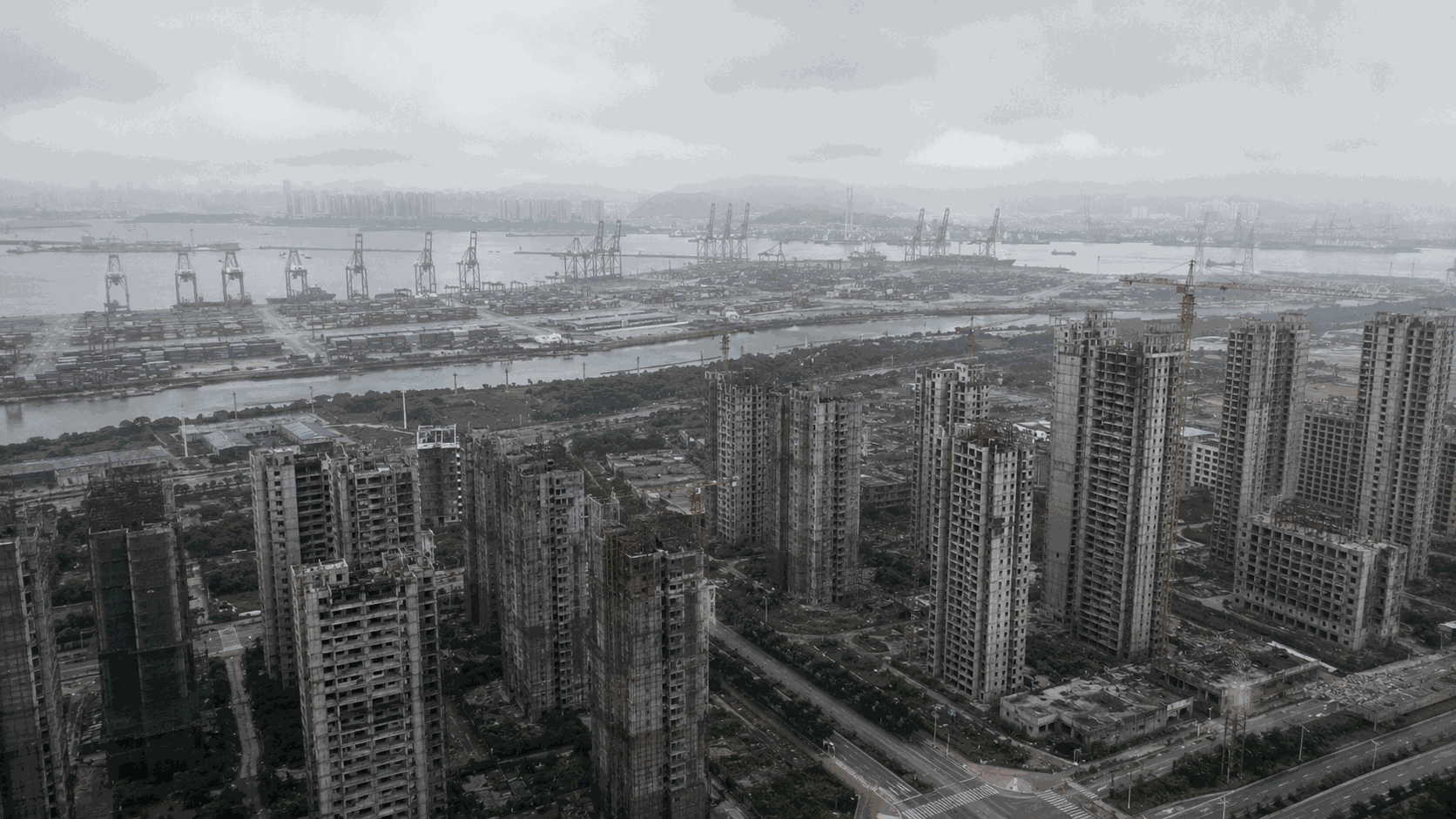
The causes are structural in nature. For years, China’s economy has been struggling with the aftermath of a real estate crisis and weak domestic demand. As a result of falling housing prices, homeowners are holding onto their money and buying less. At the same time, sectors subsidized by Beijing are producing far more goods than the market can absorb—resulting in fierce price wars and cheap exports.
Headwinds from within and without
China’s systemically driven weak domestic consumption remains unresolved. The real estate and debt crisis, which has persisted for over five years, has significantly reduced household net worth and thus permanently weakened consumers’ willingness to spend. Added to this are external headwinds: Beijing is lowering its expectations amid global uncertainty, including several wars and the trade dispute with the U.S.
What Investors Need to Know Now
For international investors, this means increased vigilance: China remains an important market, but the days of double-digit expected returns are over. Anyone investing in China should focus on specific sectors such as AI, robotics, and technology exports—these are the focus of China’s economic policy for the coming years.
Structural growth weakness in the world’s second-largest economy is not a temporary blip—it is permanently altering global capital flows. Anyone whose portfolios are still geared toward the old growth regime now faces a risk that the 1000FTAD platform systematically identifies and makes manageable.