



Market Analysis · September 18, 2026
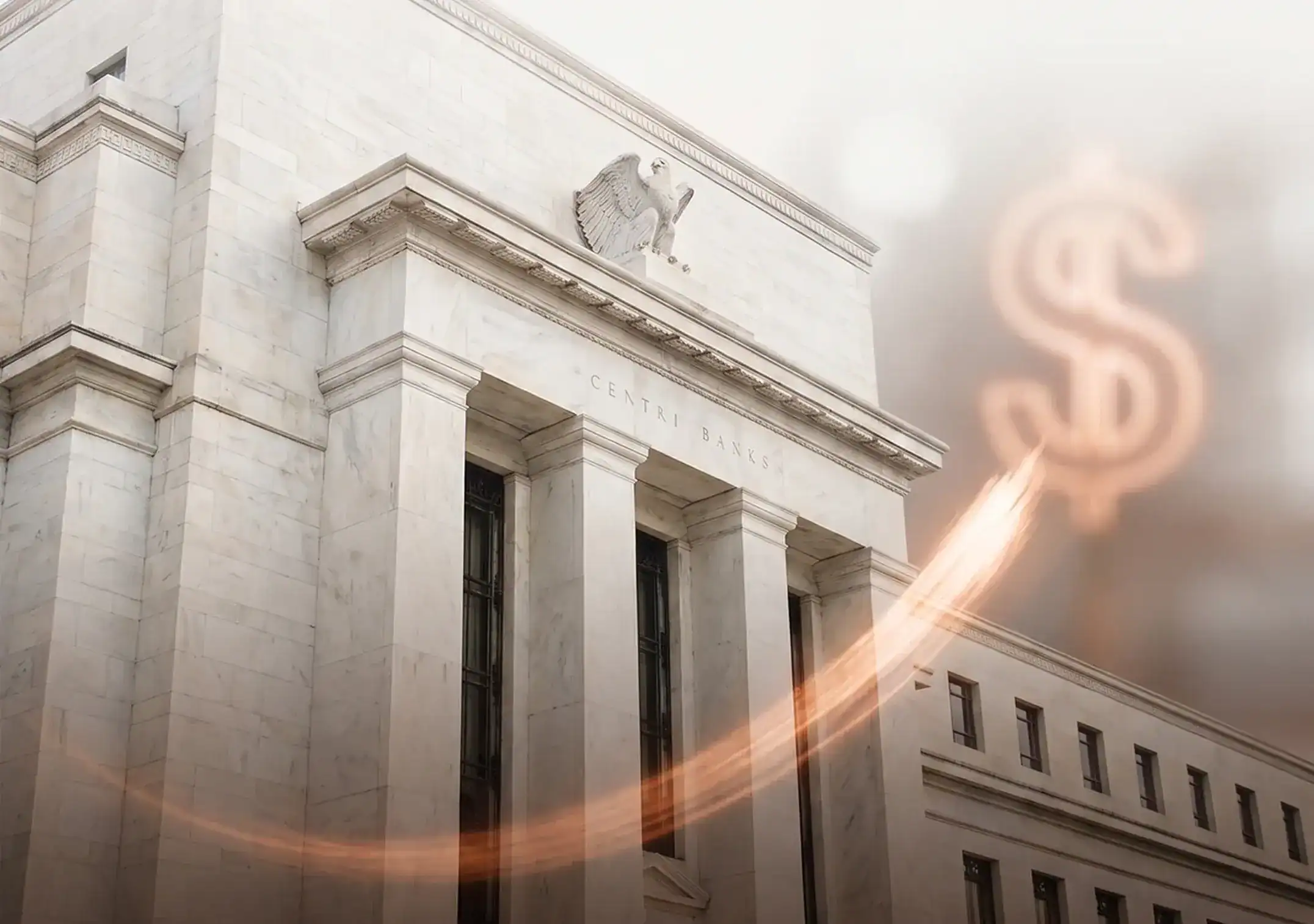
On September 16, 2026, the U.S. Federal Reserve raised its benchmark interest rate by 25 basis points to a range of 3.75 to 4.00 percent —the first increase since 2023. The decision was unanimous (12–0), and the updated dot plot signals that another rate hike is possible before the end of the year.
For the foreign exchange markets, this is more than just a headline. It's a signal pointing the way.
Why a Single Decision Can Shake Up the Entire Market
Exchange rates are driven by interest rate differentials and monetary policy expectations. When one of the major central banks shifts from a pause to a tightening cycle and signals further steps, expectations shift across all major currency pairs simultaneously—not just for the U.S. dollar itself.
That is exactly what happened: The euro came under pressure, and the EUR/USD exchange rate fell by about 0.6 percent to around 1.1472 on the day of the decision.
Divergence is the real driver
What is noteworthy is not so much the increase itself as the growing divergence between the central banks:
- Fed: tightens policy and signals further steps to come.
- Bank of England: kept the key interest rate at 3.75 percent (vote 6 to 3).
- ECB: did not implement a comparable tightening measure in early September.
- Bank of Japan: Although it raised rates, the yen still depreciated because the guidance remained cautious.
These differing rates of growth are creating structural pressure, most recently favoring the U.S. dollar in particular. The focus is on currency pairs such as EUR/USD, GBP/USD, USD/JPY, USD/CAD, and NZD/USD.
What this means for a systematic approach
For us, a news day like this is, above all, a test of process quality. The focus is not on “How quickly do we respond?” but rather on “How can trading remain rule-based, controlled, and transparent in a more volatile environment?”
A regime shift increases the volume of news and volatility in the short term. That is precisely when the difference between reactive trading and a defined system becomes apparent: clear risk limits, disciplined money management, and documented decisions remain effective regardless of whether the next headline strengthens or weakens the dollar.
First, make it manageable. Then automate it.
Conclusion
The Fed’s decision is this week’s defining FX event—not because of a single price swing, but because it realigns the direction of the dollar and market expectations for the rest of the market. For professional investors, what matters most in such phases is not so much the forecast as the strategy they use to navigate the environment.
More articles and analyses: www.1000ftad.com/posts/
Risk Disclosure: Trading in financial instruments involves risks and may result in the loss of the capital invested. Past performance is not a reliable indicator of future results. This article provides a general market overview and does not constitute investment advice. This offering is intended for professional investors.
Sources: CNBC (Fed decision, September 16, 2026), FXStreet, TradingKey (EUR/USD), Bloomberg (BoJ, September 18, 2026).